Dhaka generates over 3,500 tonnes of waste every single day — and less than half of it is properly managed. That cigarette filter discarded beside a drain? It takes up to 10 years to break down, leaching over 4,000 toxic chemicals into the soil and water beneath our feet.
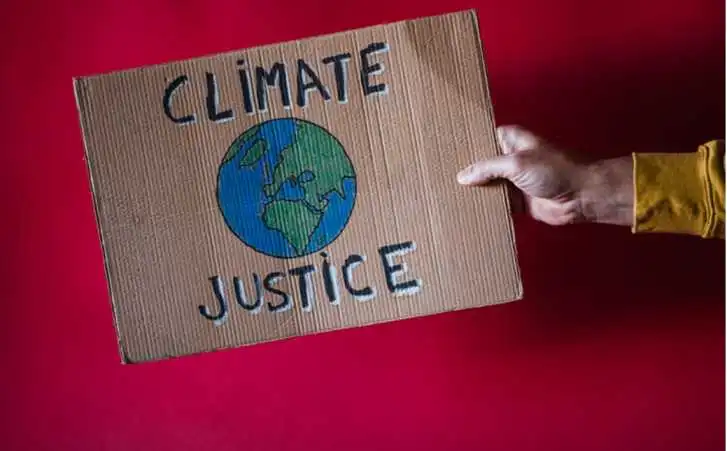
The world is talking about climate action, sustainability, and green transitions. But one urgent truth keeps getting overlooked: climate justice begins with how we manage our waste — right here, right now, in our own communities.
What is Climate Justice?
Climate justice means recognizing that climate change does not affect everyone equally. Bangladesh is the 7th most climate-vulnerable country in the world. Our coastal communities, our urban poor, and our farmers are paying the highest price — for a crisis they barely contributed to.
Floods, waterlogging, extreme heat, air pollution — these are not distant threats. They are the daily reality for millions of Bangladeshis. And unmanaged waste is making every single one of these problems worse.
Your Trash Is Changing Bangladesh's Climate — Here's How
Most people think waste management is about cleanliness. But the connection between waste and climate change runs much deeper:
- Plastic waste blocks our drainage systems, turning every monsoon into a flood
- Organic waste in landfills produces methane — a greenhouse gas 80x more potent than CO₂ over 20 years
- Open burning fills our air with toxic pollutants that cause respiratory disease
- Polluted rivers destroy ecosystems and the livelihoods that depend on them
Poor waste systems don't just create mess — they create environmental injustice. That is why sustainable waste management is climate action.
Why Source Segregation Is the First Step
One of Bangladesh's biggest waste challenges is that everything goes into one bin — plastic, food waste, hazardous materials, all mixed together. When waste is mixed:
- Recycling becomes nearly impossible
- Waste workers face serious health risks
- More waste ends up in rivers and water bodies
Simply separating plastic from organic waste at home is one of the highest-impact actions any household can take. It is not a small act. It is the foundation of a circular economy.
Youth Are Not Waiting — And Neither Should You
Across Bangladesh and around the world, young people are leading the change they want to see — community cleanups, recycling initiatives, campus campaigns. Climate action does not always begin in international summits. It begins:
- When a household separates its waste for the first time
- When a student organizes a neighborhood cleanup
- When a citizen refuses single-use plastic
- When a community demands better waste infrastructure
A Cleaner Bangladesh Needs All of Us
The climate crisis cannot be solved by governments or organizations alone. Every household, every student, every business, and every community has a role to play. Waste is not the end of a product's journey. It is the beginning of a circular future.